Key Takeaways:
- Diabetes can reduce blood flow to the feet, increasing the risk of slow-healing wounds.
- Peripheral artery disease (PAD) or poor circulation may develop without obvious symptoms until a foot problem becomes more serious.
- Austin Foot and Ankle Specialists uses PADnet, a painless vascular test, to identify circulation problems early.
Diabetes management usually centers on blood sugar control, but circulation deserves just as much attention. According to the Centers for Disease Control and Prevention (CDC), about 12% of people with diabetes develop a diabetic foot ulcer during their lifetime, and people with both diabetes and peripheral vascular disease face a meaningfully higher risk of amputation.
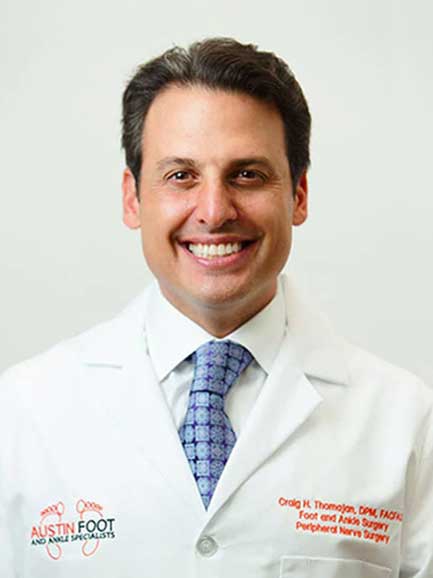
A wound that would heal quickly on a foot with normal circulation can stall for weeks—or never fully close—due to reduced blood flow. This is why catching circulation problems early is just one component of the comprehensive diabetic foot care that Dr. Craig Thomajan and Dr. Ricardo Chica provide, using tools such as PADnet.
What Is PADnet Vascular Testing?

It’s a non-invasive test that measures blood flow in your feet and legs using an air-cuff and sensor system, similar in feel to a standard blood pressure check.
It measures vital indicators such as:
- Ankle-Brachial Index (ABI). Compares ankle blood pressure to arm blood pressure.
- Toe-Brachial Index (TBI). This is particularly informative for our patients with diabetes, since calcified arteries can sometimes skew ABI readings alone.
- Pulse volume recordings. Waveform data that shows how well blood is moving through the smaller vessels of the foot.
We perform the test in our office while you rest comfortably. Blood pressure cuffs are placed at several points on the arms and legs, and sensors record pressure and pulse-wave information as the cuffs inflate and deflate. The test doesn’t require needles, injections, or special preparation. It usually lasts about 15 minutes, and most patients can return to their usual activities immediately afterward.
PADnet provides objective measurements that can help show where blood flow may be reduced, including at the ankle, foot, or toe level. Dr. Thomajan or Dr. Chica use these findings to determine how closely your circulation should be monitored, whether additional testing may be appropriate, or whether it’s time to refer you to a vascular specialist.
Who Needs PADnet Testing?
PAD can be easy to miss because circulation problems may develop before they cause an obvious wound or severe pain. Certain symptoms and risk factors make vascular screening especially important. Schedule a consultation with us right away if you:
- Notice legs or feet that feel cold or look pale.
- Experience calf cramping during walking that eases with rest.
- Have a cut, blister, or sore that's slow to heal.
- Have had diabetes for 10 or more years, smoke, or have a history of heart disease.
The CDC also indicates that “nearly half of people with diabetic peripheral neuropathy may not have symptoms. Without preventive foot care, this condition can lead to foot injury in areas where patients lack feeling.”
Trust Austin Foot and Ankle Specialists for Complete Diabetic Foot Care
Reduced sensation and blood flow are a particularly dangerous combination, because not only are injuries harder to feel, but also poor circulation makes them harder to heal. Our Austin podiatrists address both sides of that problem.
After PADnet testing, your regular treatment plan may include circulation monitoring, guidance on diabetes control, exercise, smoking cessation, footwear, and other preventive measures, along with coordination or referral for more advanced vascular care when needed.
If neuropathy is also present, Dr. Thomajan or Dr. Chica will evaluate the extent of nerve involvement and tailor treatment to the cause and severity of your symptoms. Depending on the findings, options may include medication, physical therapy, MLS laser therapy, NeurogenX® stimulation, radiofrequency ablation, or other targeted treatment.
If you’re already dealing with an ulcer or another slow-healing injury, our advanced wound healing services add another layer of protection. By managing circulation, nerve symptoms, and the wound itself together, the goal isn’t simply to treat what hurts today, but also to reduce the risk of infection, tissue damage, and more serious complications that can threaten the long-term health of your feet.